Looking back at 2025: Our projects highlights & impacts
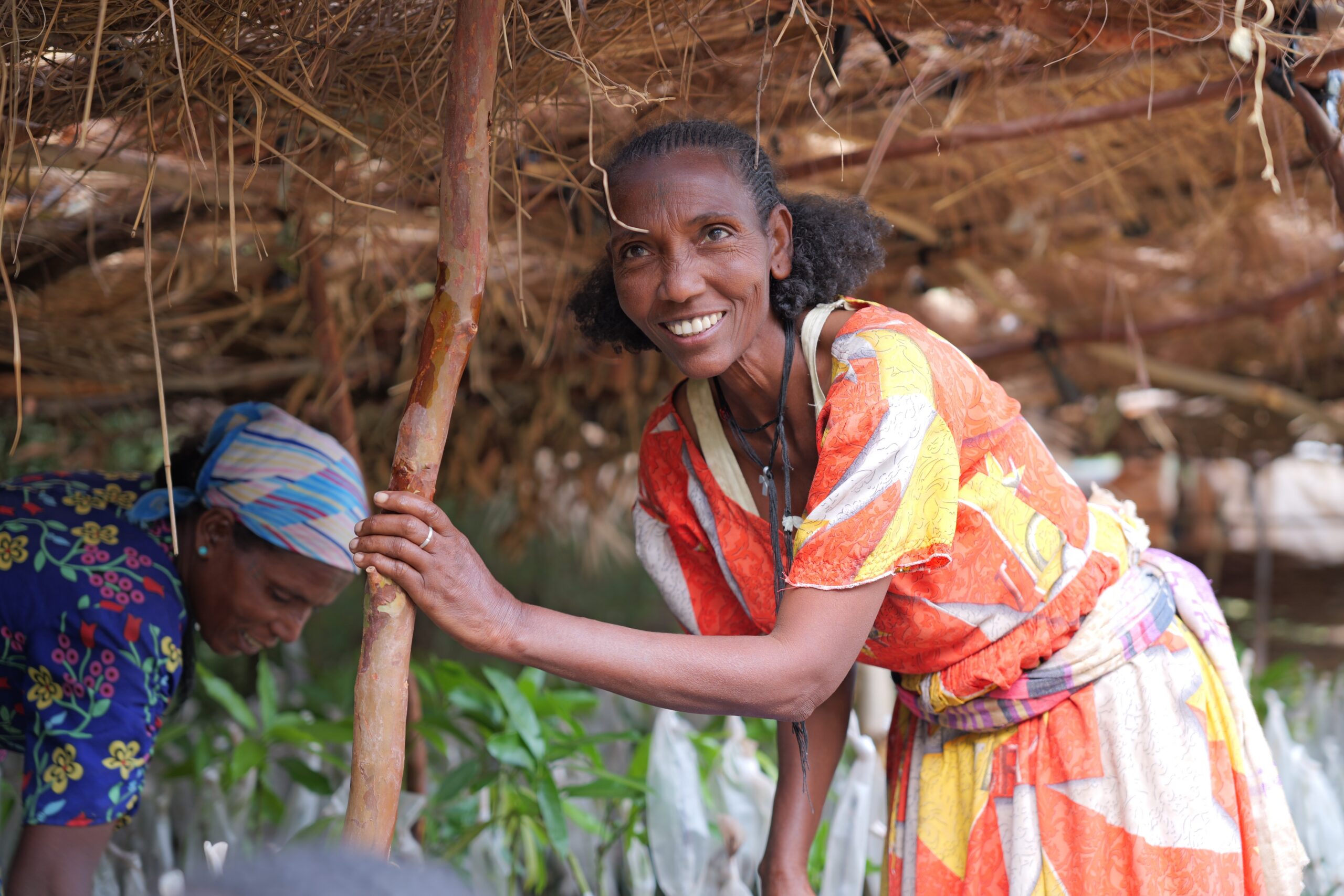
The past year was marked by growth across our projects and teams. Highlights include the launch of a new mangrove restoration area in Inhambane Bay, Mozambique, and progress on a soon-to-be-certified project in the Bolivian Andes. Above all, 2025 was defined by learning, from the field and the market, through key climate events, strengthened partnerships, and participatory impact assessments.
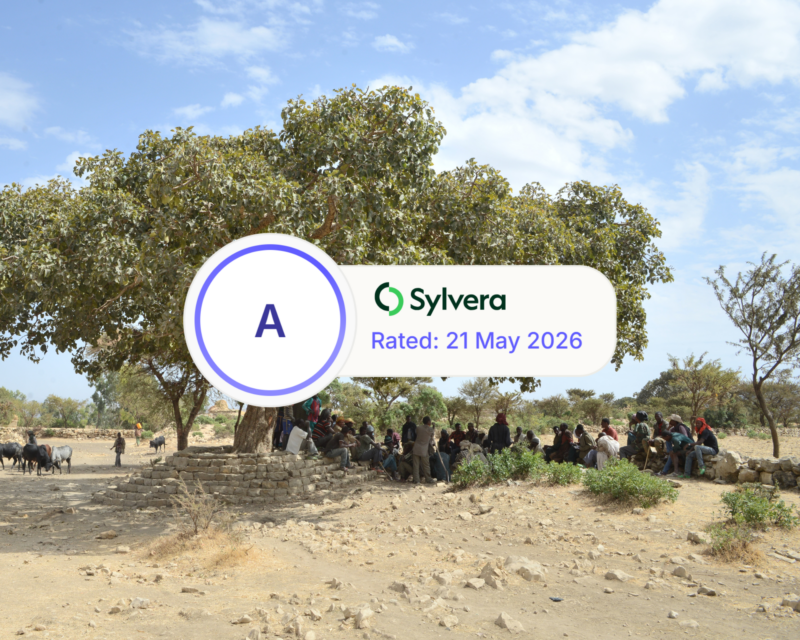
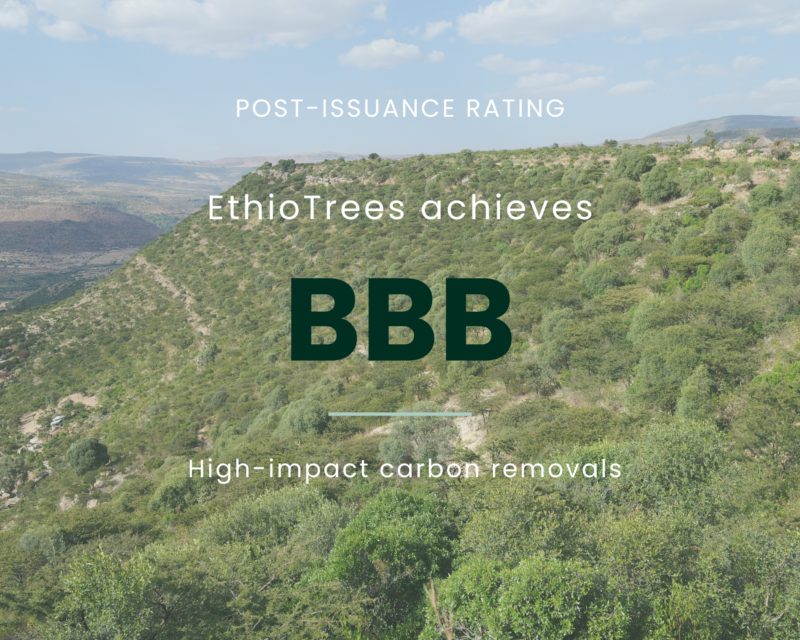
EthioTrees
Over the past years, the project has continued to gain recognition from local communities for its tangible environmental and social impact. This growing recognition has attracted interest from nearby communities, helping the project expand organically.

Key highlights from 2025:
- The project now restores a total of 24,620 ha.
- Over 45,770 households benefit from our interventions.
- More than 54,495 seedlings were planted this year in our exclosures.
Thanks to the sale of our carbon credits and the 60% benefit-sharing with local communities, the project was able to finance a range of social initiatives:
- 30 new classrooms were constructed to improve education access.
- 696 households received solar lights.
- 15 ponds and 6 spring developments were built to improve water access.


“When I started teaching here, many students didn’t attend because of the poor school conditions. With three new classrooms, attendance has grown from about 20 to up to 50 students per class, and we can now offer kindergarten and catch-up classes for older children.”
Almat Kidu, Teacher in Afedena
Kukumuty
2025 marked a milestone for our Kukumuty project, with the first benefit-sharing distribution from carbon credit sales and expansion to two new communities, Jambe and Dongonda. It also marked the launch of a new mangrove restoration area in Inhambane Bay on Mozambique’s southern coast.

Key highlights from 2025:
- The project now restores 2,870 ha of land.
- 8,398 households benefit from our interventions.
- 670 seedlings were planted across project sites this year.
In Inhambane, we launched a partnership with coastal fishery communities to restore mangroves and rebuild the ecological balance that supports and protects their livelihoods.
- 179 ha of mangroves are being restored.
- 5,183 households are benefiting from the project’s interventions.
- 2,200 seedlings were planted this year.


Supporting families with food aid
The project area was severely affected by famine following a poor harvest caused by adverse weather, with communities identifying food as their most urgent need. In response, 60% of the carbon credit benefit-sharing was used to provide food support to all households. A total of 1,678 households received essential supplies, including rice and cooking oil.
“After three years of poor harvests caused by changing weather and insect invasions, food was our community’s greatest need. Thanks to the carbon credit benefits, we received rice and cooking oil, which helped me feed my family for over three months.”
Julia Orlando, Farmer in Nhaumue

BoliTrees
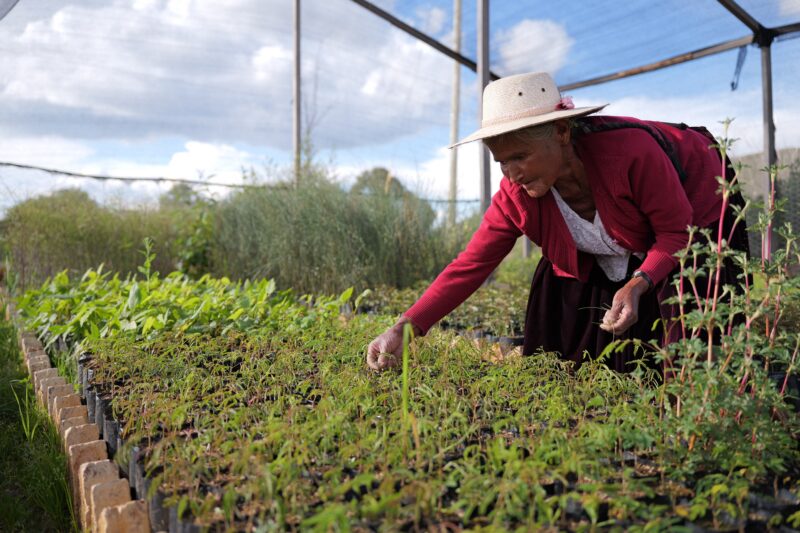
For our BoliTrees project, 2025 stood as a turning point, with the project now officially registered as a carbon project in Bolivia and set for certification in early 2026.

Key highlights from 2025:
- A total of 350 ha of land is under restoration.
- 60 households are benefiting from the project’s interventions.
- A total of 5000 seedlings have been planted so far.
Subscribe to our newsletter
Join our journey by subscribing to our stories.
Related stories
These are our stories