BoliTrees is officially Plan Vivo certified
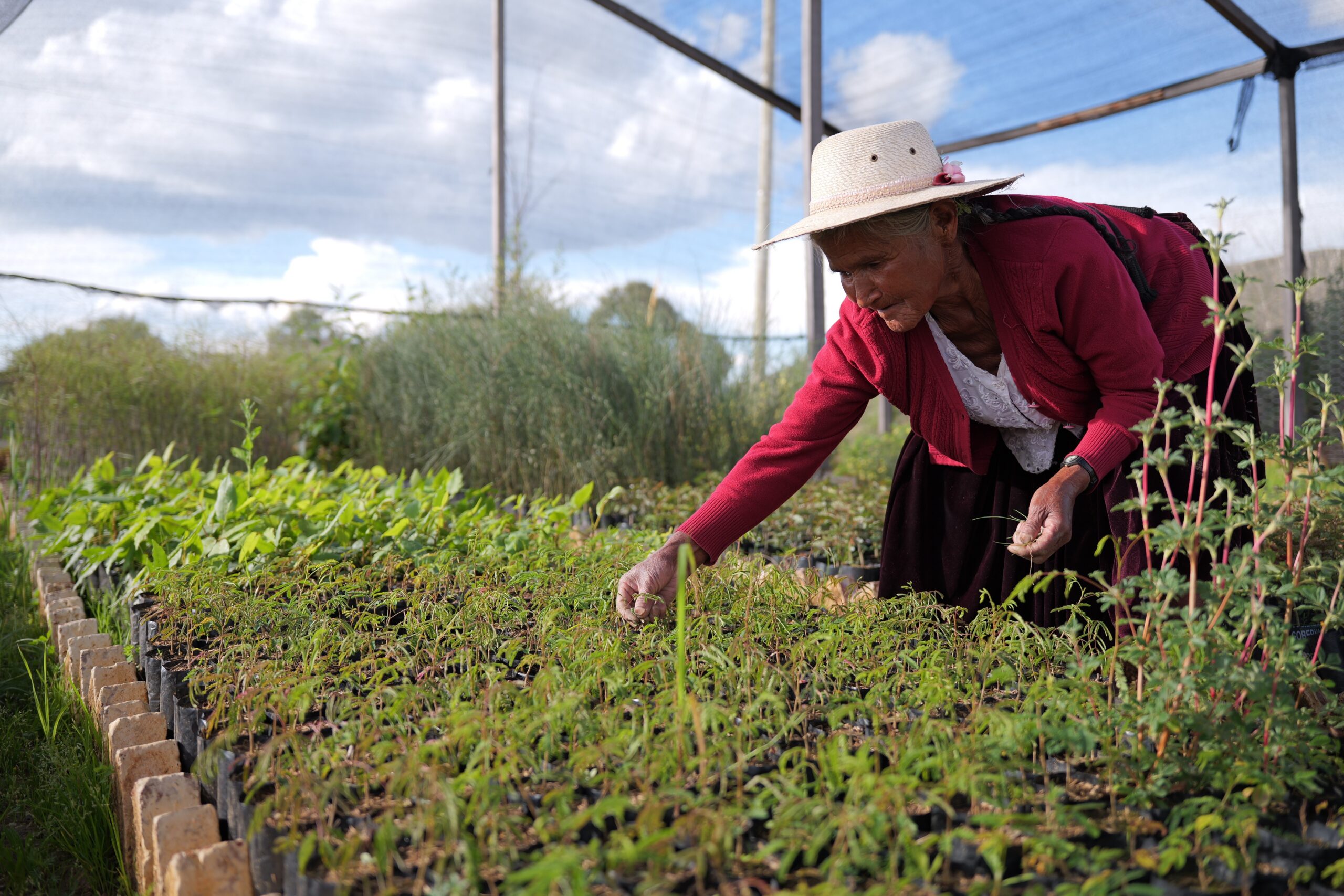
Our newest project BoliTrees certification marks a major milestone for ecosystem restoration in Cochabamba’s Inter-Andean valley, achieved together with local smallholders.
About the region
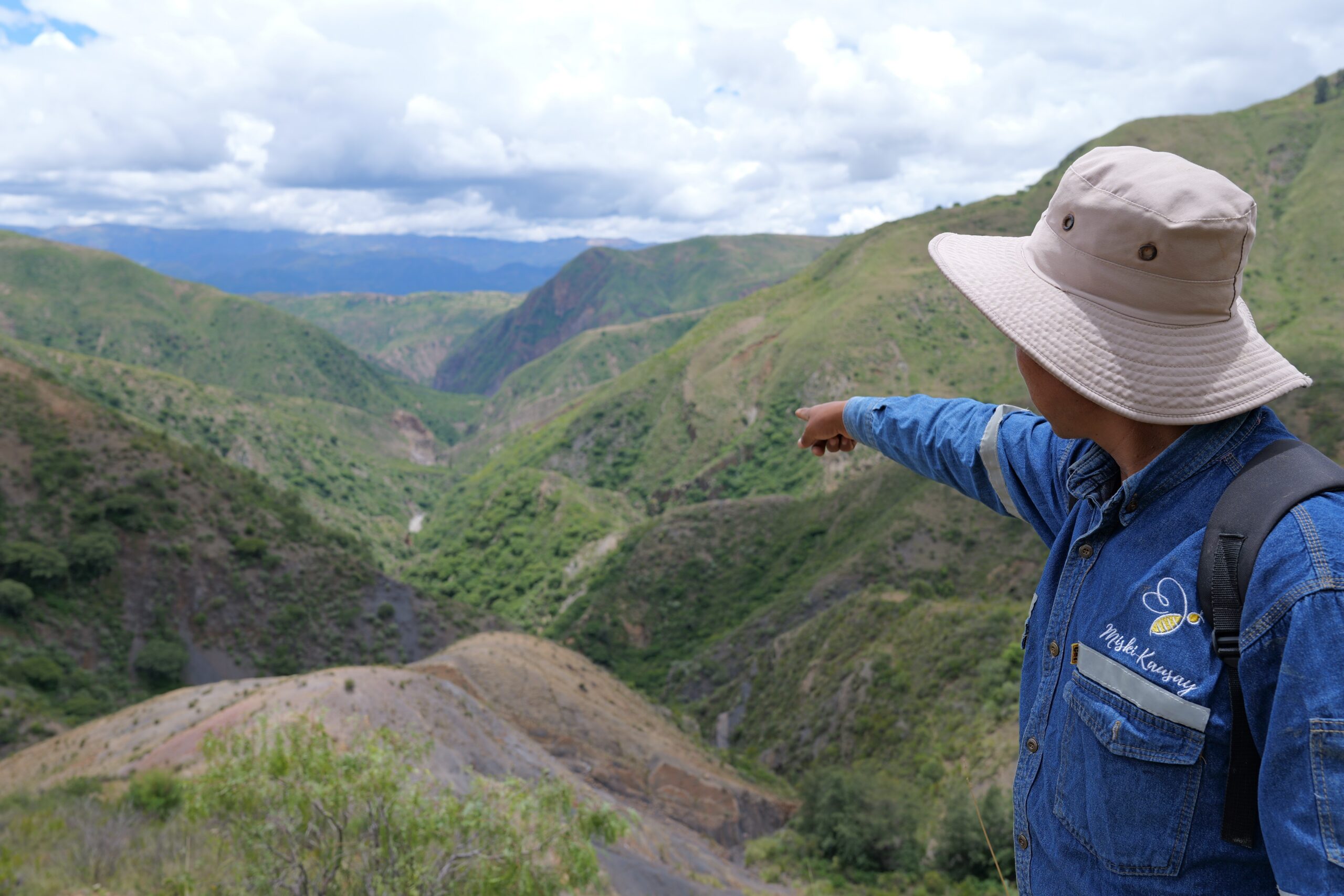
Known as the “City of Eternal Spring,” Cochabamba lies in the Inter-Andean valley where mild temperatures and abundant water historically made it one of Bolivia’s most productive agricultural regions.
In recent years, however, climate change has put growing pressure on these landscapes, driving greater rainfall variability, deepening water scarcity, and degrading the rivers and wetlands that once sustained the valley. As demand for water rises, both ecosystems and livelihoods are increasingly at risk.
Our approach
Since 2024, we have partnered with Misk’i Kausay, a local NGO with deep roots in supporting Bolivian smallholder communities. Together, we work directly with farmers who want to regenerate parts of their land through enrichment planting, water infiltration structures, controlled grazing and non-timber forest products valorization.
Alongside restoration, agroforestry training are provided to strengthen local capacity for livelihood diversification, from medicinal plants and apiculture to sustainable food production, reducing farmers’ dependency on any single income source.
People care less and less for the environment, but this is what gives life to future generations. That’s why we use native plants, because protecting what already belongs to this land is the best way to keep its ecosystem alive.
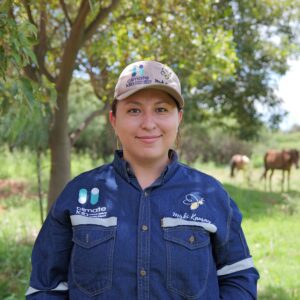
Aleyda
Technical assistant, BoliTrees
Where we stand today
50
benefiting households
through income diversification and community-led benefit-sharing
200 ha
under restoration
improving soil health, water retention, and long-term carbon sequestration
3,640
native trees planted
to enhance biodiversity, expand tree cover, and support resilient agroforestry systems
What’s next
We anticipate our first issuance of 2,162 Plan Vivo–certified removal carbon credits by the end of 2026.
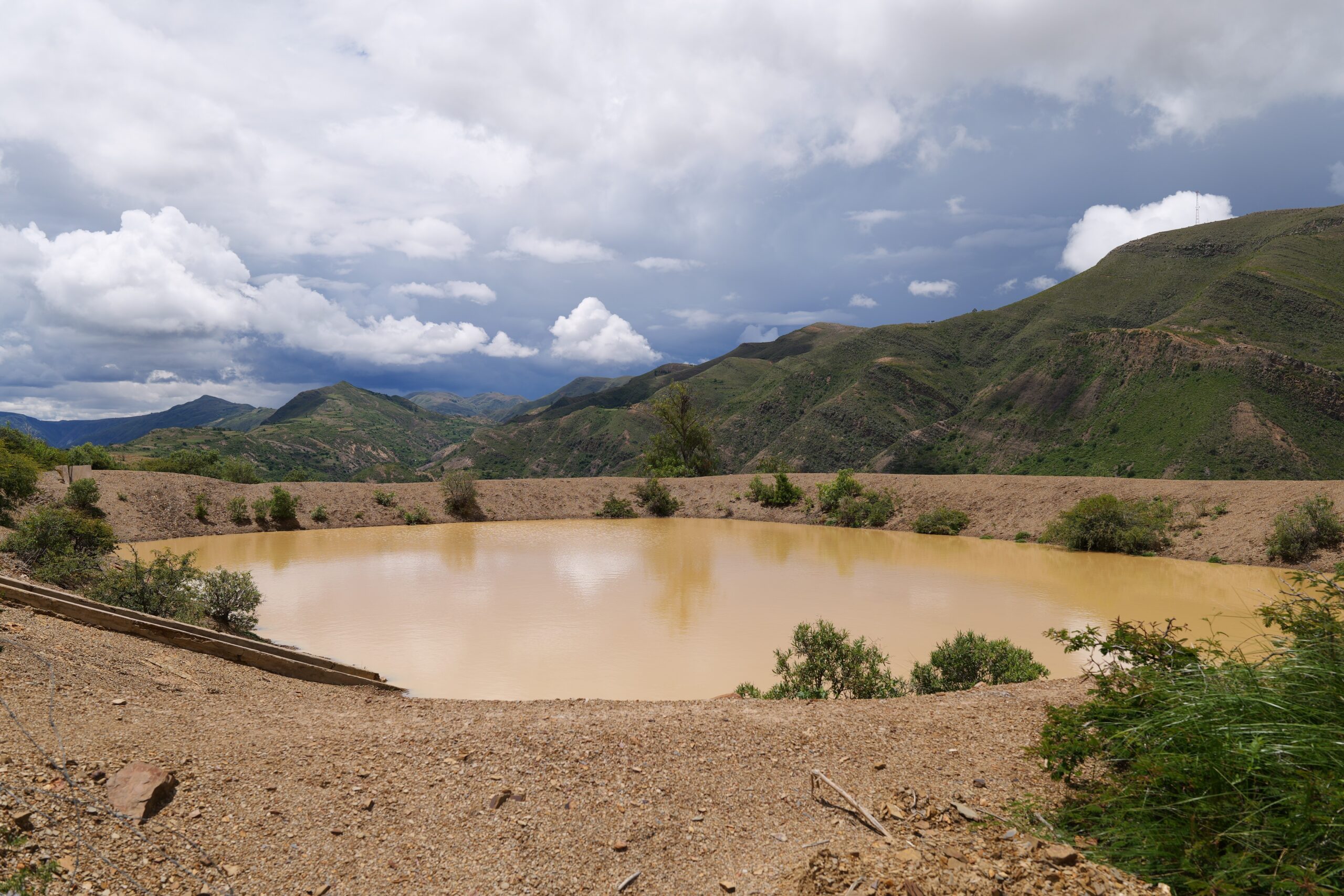
Benefit-sharing funds will be directed by the community itself. Their priority is to restore traditional Quechua chapay water systems, stone channels and retention basins that capture runoff and replenish water across the valley, enabling farmers to irrigate their crops as they once did.
“I imagine my children, years from now, taking care of the plants here. What I’m planting today will become something they can be proud of. My hope is that this land will keep improving and support stronger harvests in the future.”
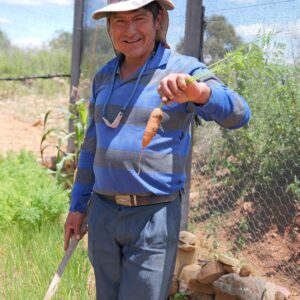
Casiano
Farmer, BoliTrees
Learn more
Reach out to our sales team to learn more about the availability of upcoming volumes, and follow the project’s progress through our stories.
Subscribe to our newsletter
Join our journey by subscribing to our stories.
Related stories
These are our stories