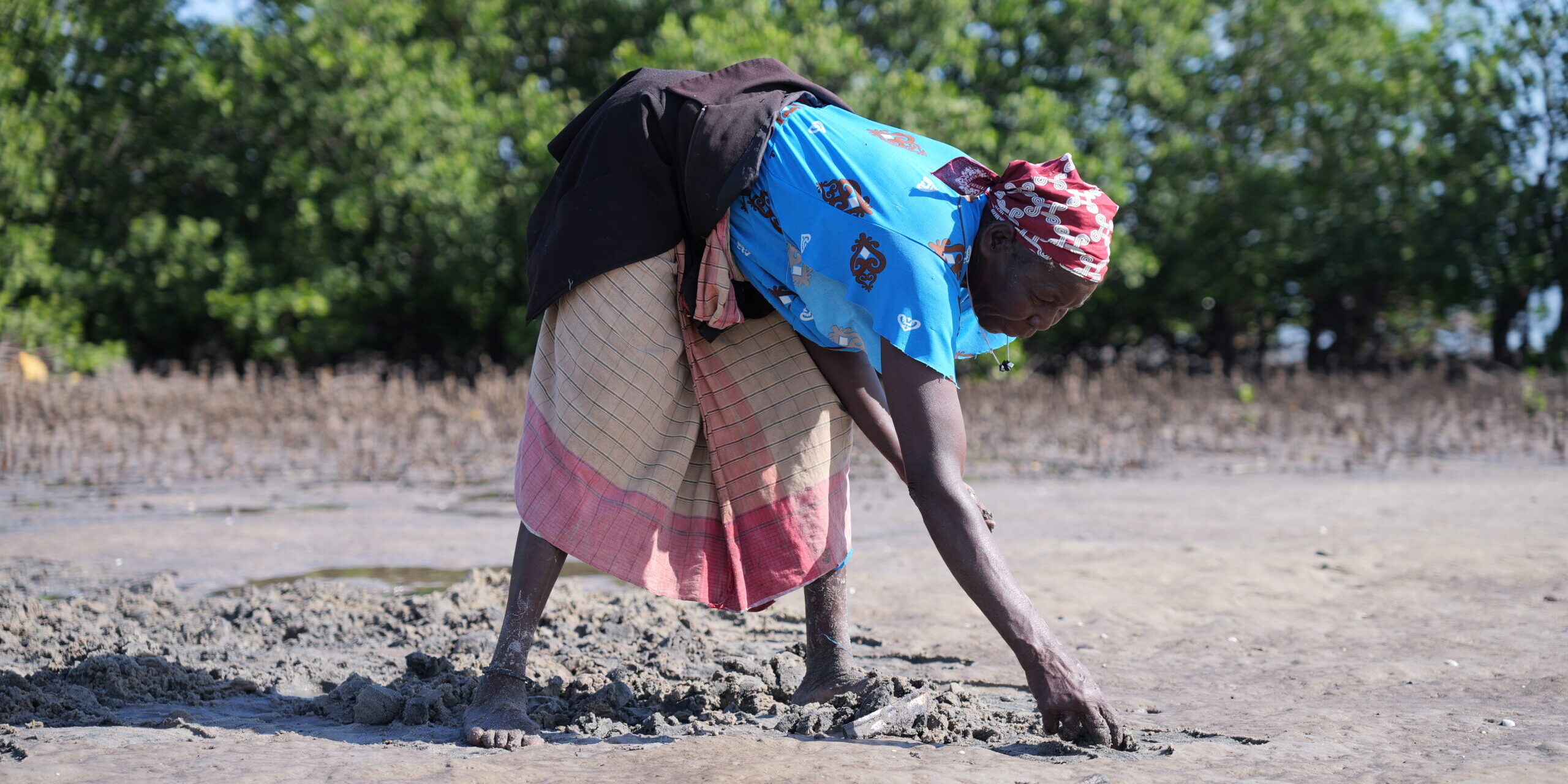
Kukumuty supports coastal fishery communities across Inhambane Bay in restoring mangroves and reestablishing the ecological balance that sustains and protects their livelihoods.

Location
Inhambane, MozambiquePeriod
May 2024 – May 2054Project type
Afforestation and Reforestation Project (ARR)Credit type
reported PVCs (rPVCs) and verified PVCs (vPVCs)Context
Central Mozambique hosts one of Africa’s largest mangrove ecosystems, yet climate change, economic pressures, and unsustainable practices are driving its loss and degradation. Local communities are particularly affected, experiencing both the decline of vital ecosystem services and reduced productivity of coastal crops due to rising sea levels and stronger waves.
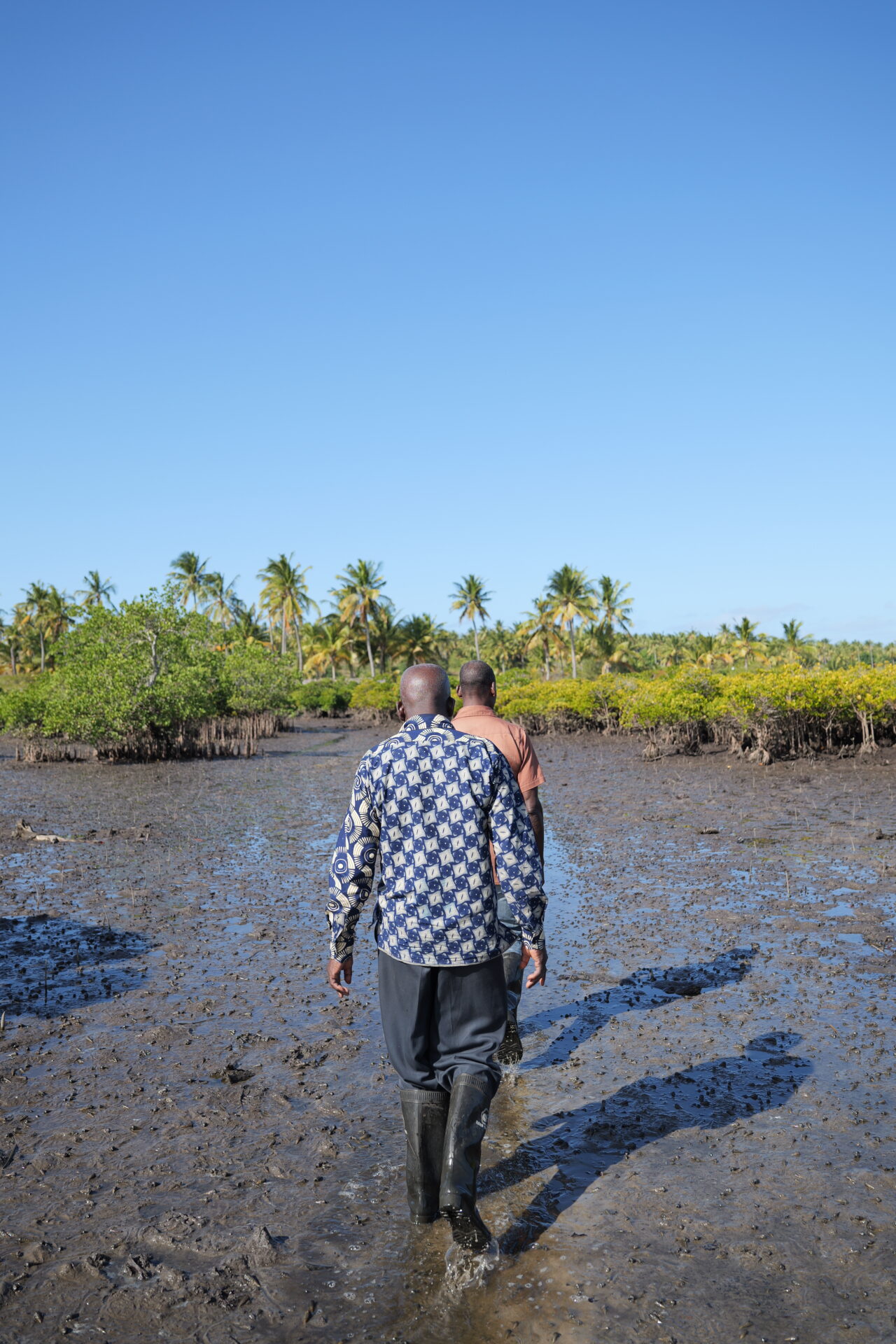
Kukumuty partners with local Community Fisheries Councils to restore degraded mangroves along the edge of Inhambane Bay through enrichment planting, seagrass restoration, and microchannel cleaning. The project aims to strengthen livelihoods by improving access to sea products such as shellfish, fish, crabs, and shrimp, while enhancing coastal protection for agricultural activities.
Project Details
Our impact
2760t
Carbon removed
179 ha
Mangrove woodland restored
50%
Female participation


Mangrove seedling
2200
Nursery-grown mangrove seedlings planted

Targeted SDGs
Project Highlights

Restored aquatic habitats
By restoring degraded mangroves, the project helps re-establish ecological balance and supports its rich aquatic life providing essential nursery, breeding, and feeding habitats for fish, crabs, and shrimp.
Coastal protection
The project’s mangrove restoration helps protect coastal croplands and sustain local livelihoods in the face of rising sea levels and wave action.
Activities
Each of our projects includes a range of activities tailored to local context, traditions, and needs. Explore what’s happening on the ground.

Community Engagement
The community fisheries council is actively involved in project design and management, participating in regular project council meetings.

Nursery Maintenance
The project manages a nursery in the Machavenga mangroves, cultivating four different mangrove species.

Enrichment Planting
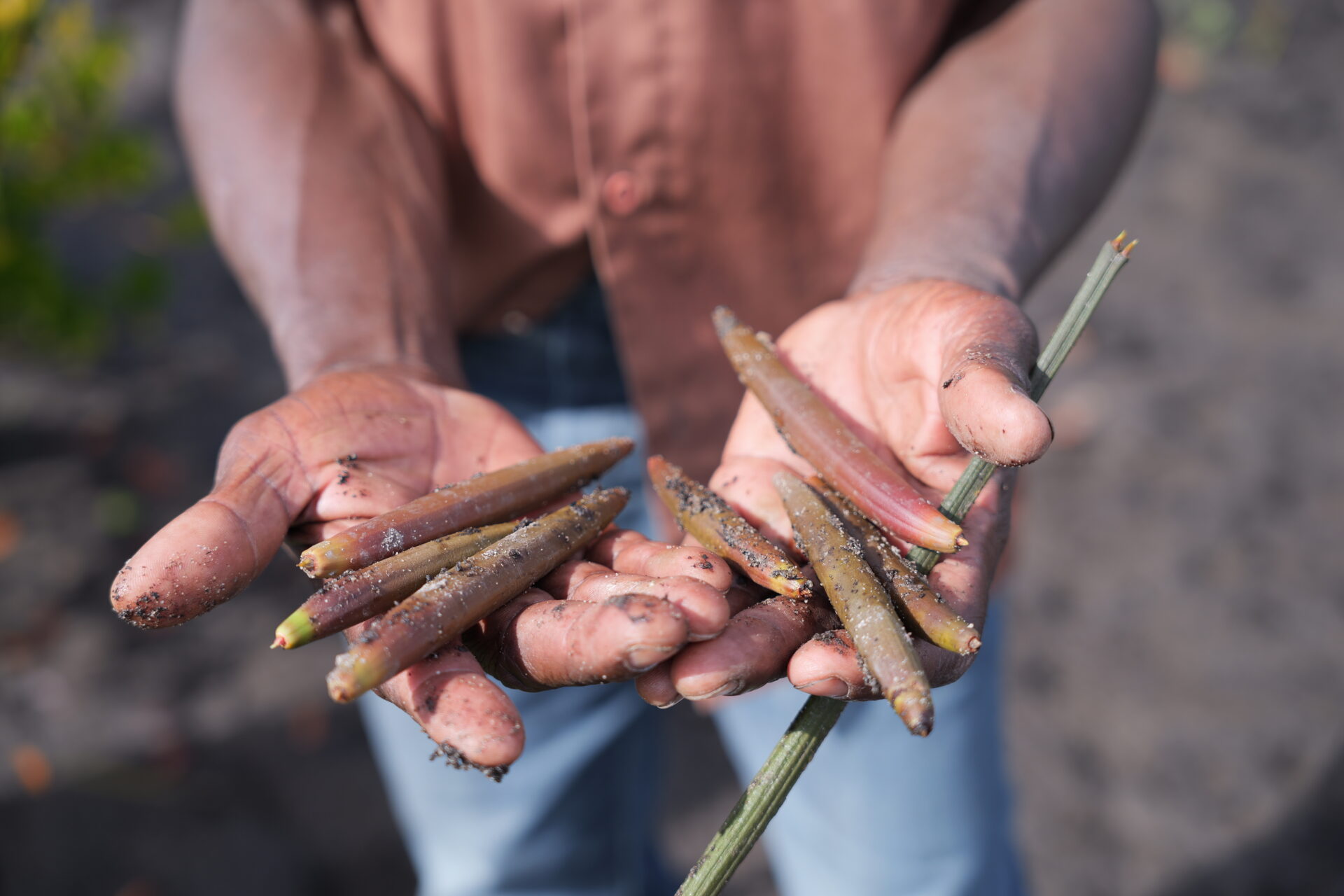
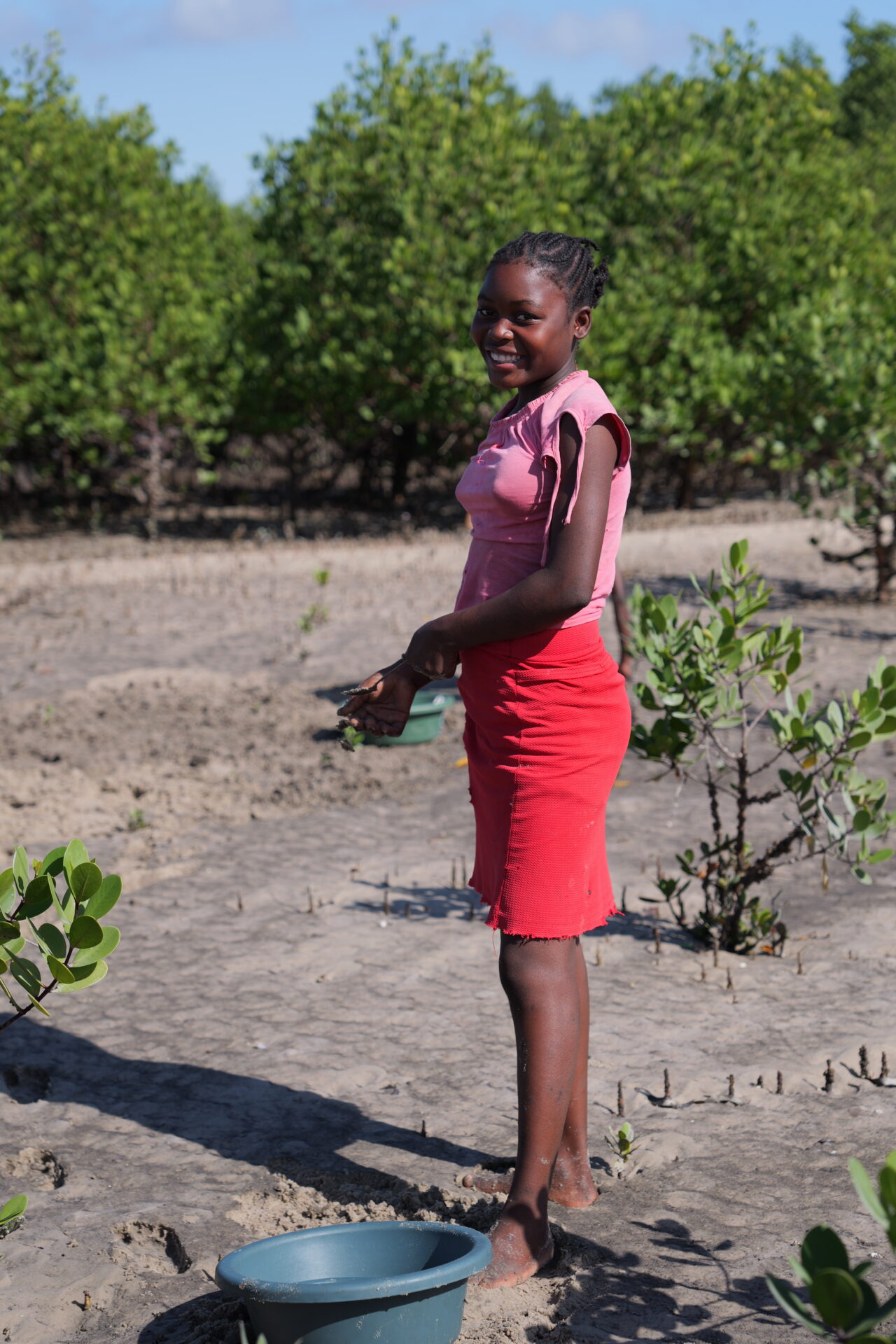
Mangrove seedlings from the nursery and directly planted propagules are introduced in degraded areas to enhance tree cover and support biodiversity.

Hydrological management
We create and maintain water flow structures, such as micro-channels, to improve hydrological conditions and provide favorable conditions for mangrove growth.
Trainings
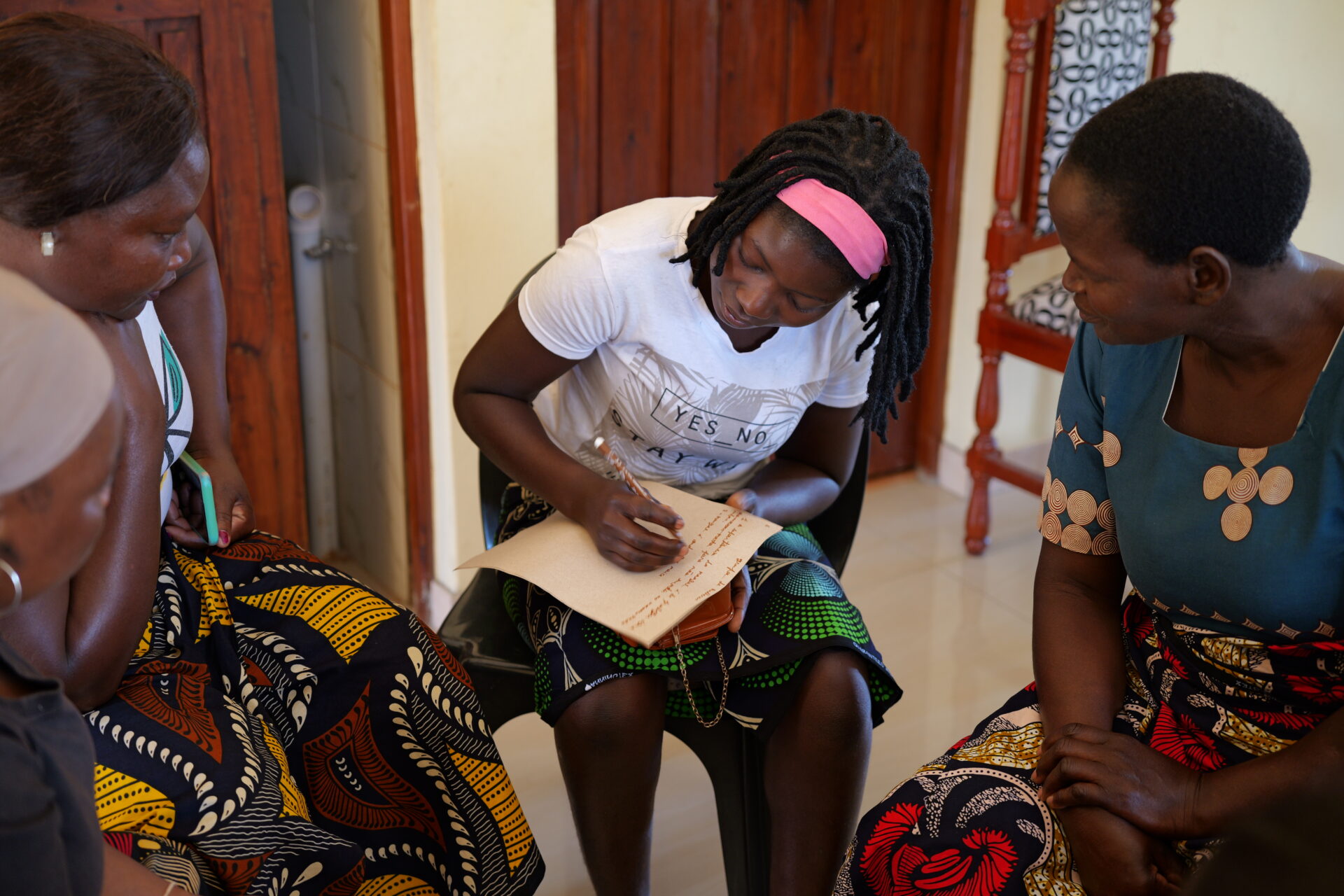
Regular trainings are provided to local communities on sustainable mangrove management, including planting techniques, conservation practices, and the role of mangroves in supporting biodiversity and coastal livelihoods.
Social Impact Assessment
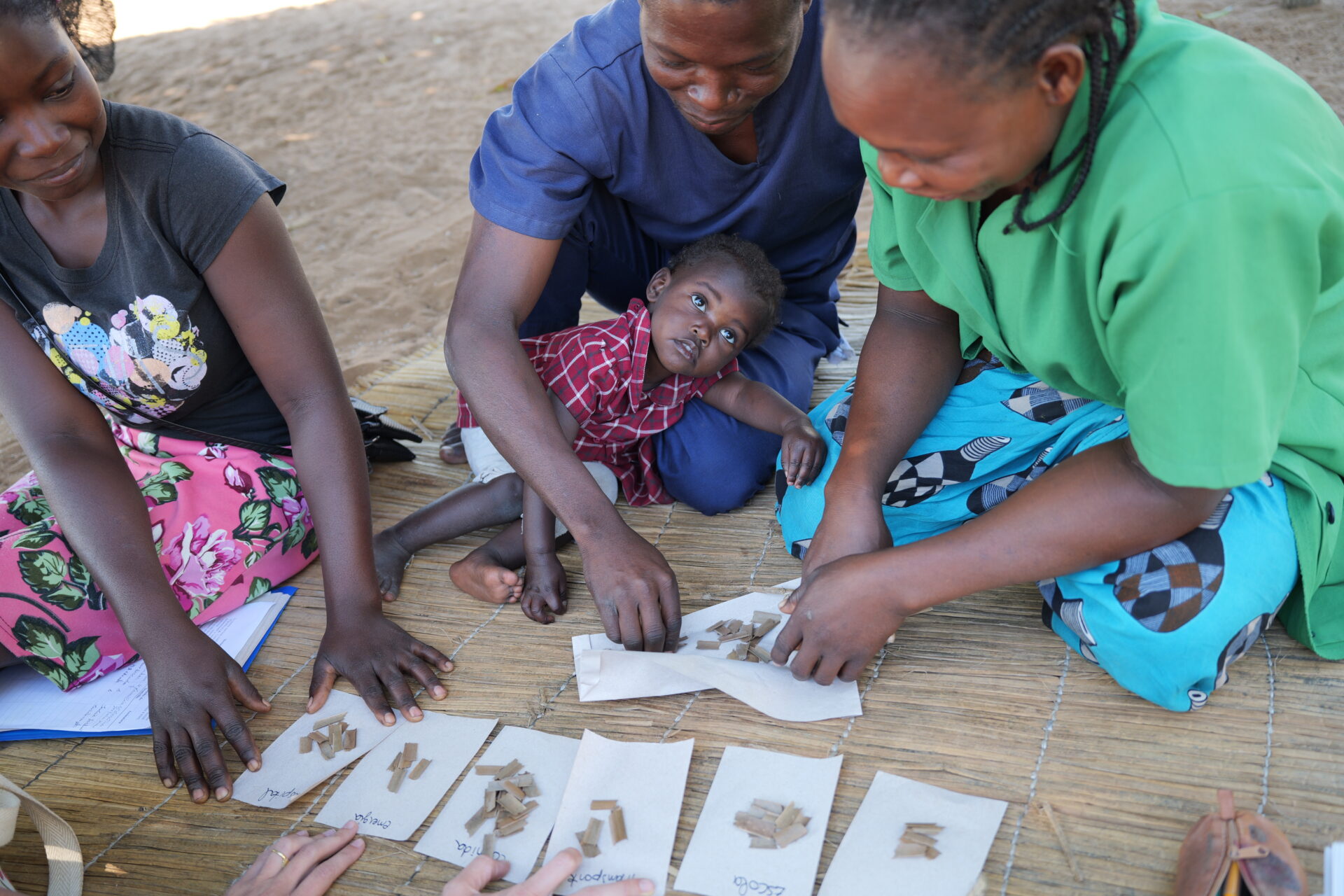
The project’s social impact is assessed through community surveys, in-depth interviews, needs assessments and livelihood indicators.

Local Impact, Global Goals
See how our work supports the SDGs through measurable community impact indicators.
The project engages community members, especially women and youth, in income-generating activities linked to mangrove restoration sites.
Through our activities and trainings, we support local fisheries and farming productivity, providing communities with sustainable livelihoods.
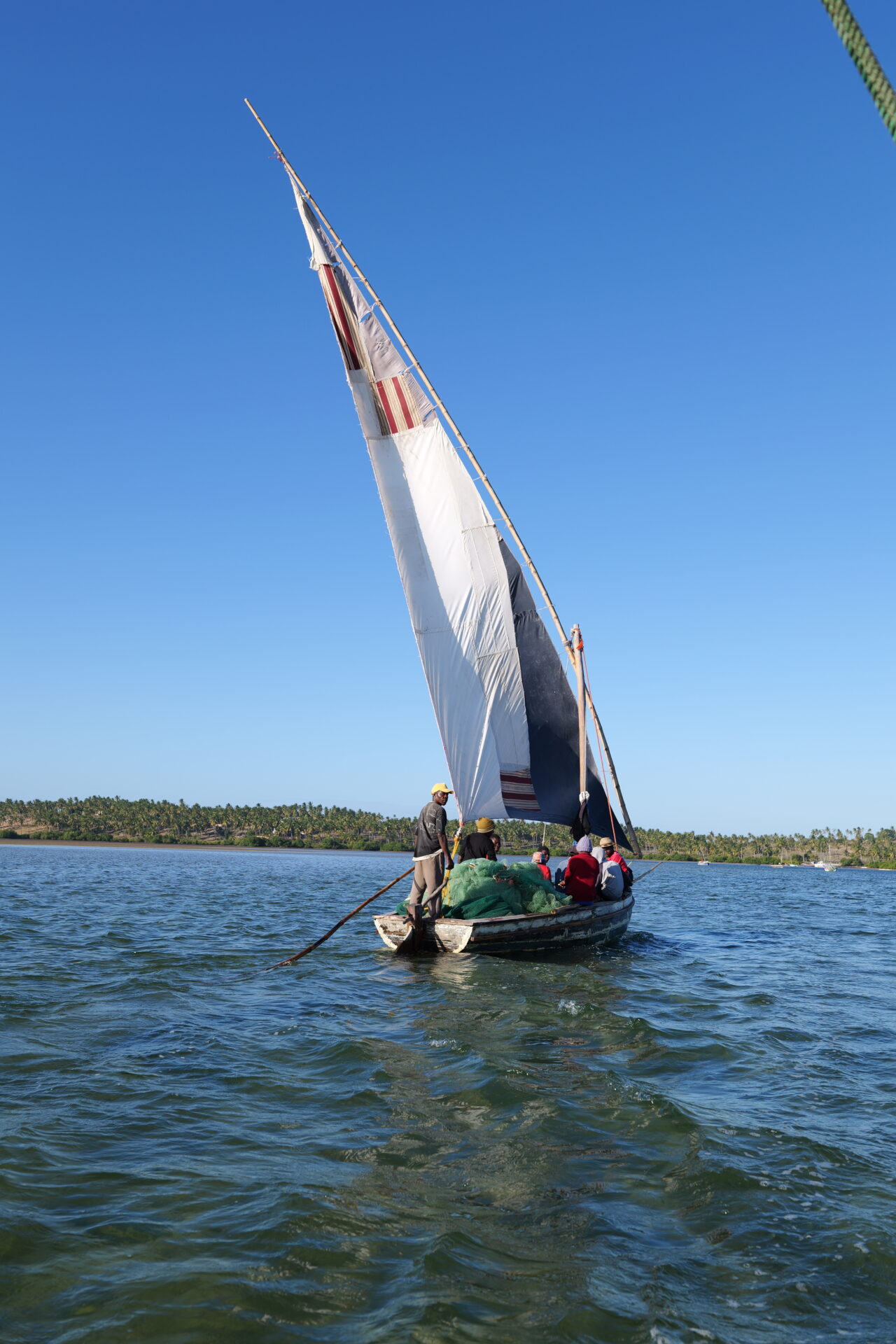
The project enhances access to seafood for local fishers, including fish, crabs, shellfish, shrimp, and oysters.
The project provides training to community members on sustainable mangrove management, equipping them with the knowledge and skills to protect and restore ecosystems that are vital to their livelihoods.
In partnership with Kindficher School, 4th-grade students have the opportunity to participate in hands-on mangrove planting, learning to identify species and understand their ecological significance.
The project promotes gender equality and inclusive leadership by ensuring female participation in all project activities and decision-making during community meetings, with a minimum requirement of 50% female representation.
- 50% of mandatory female participation
The project addresses climate change by removing blue carbon through mangrove enrichment planting, hydrological management, and the adoption of improved mangrove management techniques.
- To date 2760 tCO2 has been sequestered by the project.
Kukumuty supports the restoration of mangrove ecosystems, which provide critical habitats for fish, crabs, shrimp, and other aquatic species, helping to sustain marine biodiversity.
- 179 ha restored mangroves
Field impressions
A look into our work on the ground


Documents
Plan Vivo projects are above all transparent. All our project documentation is publicly available.
Registration certificate
Plan Vivo projects receive registration certificate once successfully validated by a third party validator.
Project design document
Project context: Expected benefits, environmental and social contexts, participating community and their involvement in project design and governance, governance structure and interventions.
Latest audit
Plan Vivo projects are audited by third-party validators/verifiers to ensure that they are of the highest quality.